Giardia and What You Need to Know
posted: Jan. 11, 2019.
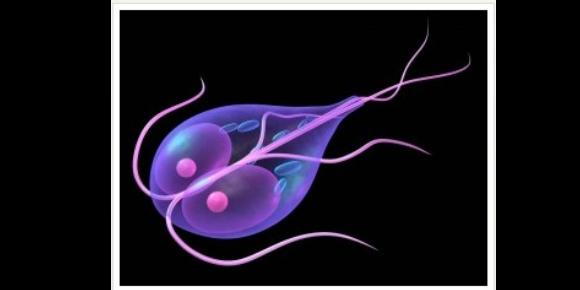
What is Giardia?
Giardia is a Protozoan (microscopic one-celled organism). It can't be seen with the naked eye!
Which animals can have Giardia?
Virtually all mammals including dogs, cats and HUMANS.
How do animals pick up infections of Giardia?
Giardia is quite widespread in the front range area; it exists in most of our mountain water. Infections of Giardia (Giardiasis) are acquired by ingestion of feed, water or stool containing the organism. Mountain streams, ponds or any area of standing water can harbor Giardia. Giardia is one of the organisms we are concerned with when advised to boil or treat mountain water before drinking it. Birds may even transport the organism by landing on infected areas and then on your pets water or food dishes. Giardia is then spread by infected animals shedding the organisms on their feces. Animals may continue to re-infect themselves by the ingestion of their own stools.
Where do Giardia live in the host?
Giardia completes its life cycle in the first part of the small intestine.
What are some signs of Giardiasis?
Many animals infected with Giardia may show no symptoms. These animals serve as carriers of Giardia, and most often will be infected with low numbers of Giardia in their system. Periods of stress may cause these organisms to multiply resulting in GI symptoms. Heavily infected animals may have moderate to extreme diarrhea sometimes containing mucus and occasional flecks of blood. Some infected animals will pass multiple stools daily and the stools may have a particularly fetid odor. Infected puppies may show poor weight gains and retarded growth rates as well as extremely fluid diarrhea. Some animals may also have poor appetites and vomiting. Death has been reported in heavily infected young animals, often from dehydration. Mature dogs may show weight loss and dry lusterless coats.
How is Giardia diagnosed?
A microscopic analysis of fresh formed stool specimen should be performed by qualified veterinary personnel. Occasionally several samples may be needed as organisms may not pass in every stool and their numbers may be diluted in very loose stools.
How is Giardia treated?
Giardia organisms can be somewhat difficult to completely eradicate, but medications can often greatly reduce their numbers. It may be necessary to use up to three different medications in a stepwise fashion to reduce or elimate Giardia due to increasing resistance shown by this parasite. These drugs are dosed according to the pet's age and weight.
For those animals that tend to be carriers of Giardia, or resistant to medication, a higher fiber diet (such as Hill's Prescription Diet w/d) aids in keeping the Giardia numbers low so that the animals may be at minimal risk of infecting other animals and humans. We may also use low dose, long term medication therapy for resistant pets or those that are reinfected often, i.e. regular trips to the lake or mountains.
How does Giardia affect humans?
Generally humans, especially children, pick up Giardia through oral contact with infected animal stools. Signs of a Giardia infection in humans include periodic diarrhea, abdominal pain and cramping. A physician should be consulted if an infection is suspected. Children may be at risk drinking from pet water bowls, sharing food with their pets or allowing pets to lick their faces!
How can I prevent Giardia in my pets?
- Good sanitation of animal's living quarters (including regular removal of stools)
- Try to keep your pet from coming into contact with other animal stools
- Minimize your pet's drinking from standing areas of water
- Stool examinations should be performed by a veterinarian's office on all puppies and kittens
- Animals infected with Giardia should be treated by a veterinarian as soon as possible